Source: India Code
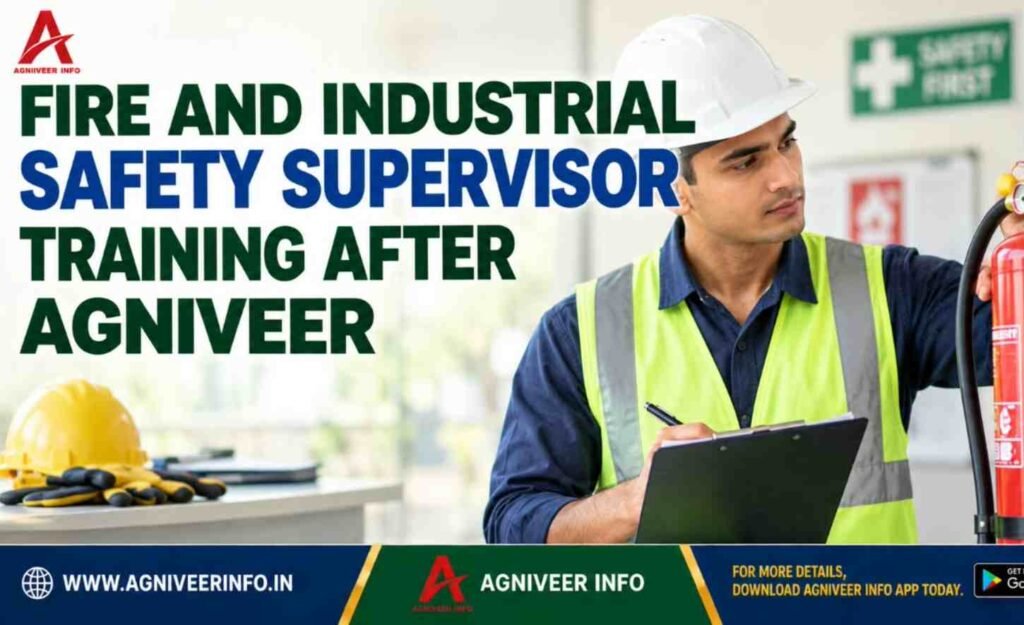
A small fire starts near a store room at 2 a.m. Some workers freeze, but one person picks up an extinguisher and clears the corridor. That person has trained for this day. Fire and industrial safety supervisors prevent accidents and lead the response when something goes wrong. In service you learned discipline and quick decisions, which suit the work. This guide covers the course levels, the new law and what to check before you pay.
The law behind industrial safety jobs
The Occupational Safety, Health and Working Conditions Code, 2020 came into force on 21 November 2025. It replaced 13 central labour laws, including the Factories Act, 1948. The Code covers safety committees and safety officers, among other duties. Rules differ by state and size of the workplace, so read the Code and your state rules for details.
This matters because older articles and course ads still quote the Factories Act. Ask any institute which law its course follows.
Industrial safety course levels
Safety training comes in steps. Start with what fits your goal and budget.
| Level | What it covers | Who it suits |
| Short fire safety course | Fire types, extinguishers, evacuation and basic hazards | Quick entry or a first step |
| Industrial safety diploma | Hazards, rules, inspection and reporting | Supervisor and officer roles |
| NEBOSH or IOSH | International safety qualifications | Larger firms and overseas work |
We found no official fee list, so ask each institute for the full fee in writing.
What NEBOSH and IOSH involve
NEBOSH is a UK awarding body. Its International General Certificate has two units. Unit IG1 is an open-book exam taken online, with 24 hours of access. Unit IG2 is a practical risk assessment. British Safety Council India says the course needs about 80 to 120 hours of study, depending on how you learn. See the British Safety Council India page.
IOSH Managing Safely is a shorter course for managers and supervisors. Length differs by provider, so ask for the schedule. Choose these only if you need international recognition, since they can cost more than local courses.
Government fire training
The National Fire Service College in Nagpur works under the Ministry of Home Affairs. It trains fire service personnel nominated by government bodies, so it is not an open-admission school for the public. Look at its training calendar to see who each course is for.
For fire roles in a state fire service, watch that state’s recruitment notices. Ex-servicemen rules differ by state.
How to pick an institute
- Ask which course and which certificate you will receive.
- Check how much time goes to hands-on drills.
- Confirm who awards the certificate and whether employers know it.
- Ask for named employers who hired students.
- Compare at least three institutes on fee and practice hours.
Jobs and pairing skills
Safety supervisors work in factories, warehouses, construction sites, hotels and hospitals. Pay depends on the sector and your qualification, and we found no official figure, so check current job listings.
- Pair this with first aid and CPR so you can handle fire and medical events.
- See HSE and occupational health and safety basics for the wider field.
- For leading teams, read our guide to security supervisor and officer training.
What an industrial safety supervisor does
Industrial safety work is mostly about prevention. You walk the site, spot hazards and fix them before someone gets hurt. When an incident happens, you lead the response and write the report.
- Inspect machines, exits, extinguishers and walkways.
- Check that workers wear the right protective gear.
- Run fire drills and toolbox talks.
- Investigate near misses and accidents.
- Keep safety records ready for inspection.
- Report to management with clear facts.
Skills from service that carry over
Industrial safety rewards discipline, calm and attention to detail. You are used to checklists, drills and chains of command. You also know that a small mistake can have a big cost. Employers value these habits, but they still expect a certificate that shows you know the rules of the workplace.
Add basic report writing and simple spreadsheet skills to your list. Safety supervisors write many reports.
A 90-day plan for industrial safety
- Month one: finish a short fire safety course and a first aid certificate.
- Month two: read the OSH Code and your state rules for the sector you want.
- Month three: apply for trainee or supervisor roles, and ask employers which diploma they prefer.
- After you start work, ask whether the company will pay for a diploma or NEBOSH.
Questions to ask an industrial safety institute
Use these questions on every visit. A good industrial safety institute will answer them without pressure and in writing.
- Which law and which standards does the course follow?
- How many hours go to live fire drills and site visits?
- Who awards the certificate, and do employers know it?
- Which companies hired your students?
- What is the total fee, in writing?
Mistakes to avoid
- Joining a course that teaches only theory.
- Paying for NEBOSH before you know you need it.
- Trusting industrial safety job promises in advertisements.
- Using out-of-date legal information.
Frequently Asked Questions
Q1: Which law covers workplace safety now?
A1: The Occupational Safety, Health and Working Conditions Code, 2020, in force from 21 November 2025. It replaced the Factories Act, 1948.
Q2: What is the NEBOSH IGC exam like?
A2: Unit IG1 is an open-book online exam with 24 hours of access. Unit IG2 is a practical risk assessment.
Q3: How many hours of study does the IGC need?
A3: British Safety Council India says about 80 to 120 hours, depending on delivery.
Q4: Can I join the National Fire Service College?
A4: It trains personnel nominated by government bodies, so it is not an open course for the public.
Q5: Which course should I take first?
A5: A short fire safety course gives a quick start. Add a diploma once you have a clear target.
Q6: Do I need NEBOSH?
A6: Only if your employer or a foreign client asks for it.
Q7: What does an industrial safety supervisor do?
A7: Inspects the site, runs drills, investigates incidents and keeps safety records.
Q8: Can my service background help me in industrial safety?
A8: Yes. Discipline, drills and checklists are valued, but employers still want a recognised certificate.
Join us on WhatsApp for all the latest updates on Jobs After Agniveer
Related Reading
- For the wider field, read our guide to Hse and occupational health and safety basics after agniveer.
- A good partner skill is covered in our article on First aid and cpr certification after agniveer.
- If you are interested in rescue work, see Emergency response and disaster management training after agniveer.
- For more details, visit our Agniveer Info transition hub page.